Maintaining a healthy vibrant lawn is not just about aesthetics. A well-kept lawn can significantly enhance the overall appeal and value of your home.
Lawn care is an essential part of homeownership that goes beyond simply mowing the grass every once in a while. It involves regular maintenance practices that ensure your lawn stays green, lush, and free from diseases all year round.
The importance of proper lawn care cannot be overstated. For starters, it helps to improve the quality of air around your home as grass absorbs carbon dioxide and releases oxygen into the environment.
Not only does this contribute to better air quality but also aids in combating climate change by reducing greenhouse gases. A healthy lawn also provides an ideal space for outdoor activities with family or friends, contributing positively to their physical health and mental well-being.
In this guide, we’ll share some crucial tips that will help you take care of your lawn effectively without necessarily hiring professional services every time something needs attention – a practice that can save you money in the long run.
From watering techniques to pest control measures; from soil testing procedures to selecting suitable grass types for different climates – you’ll find everything you need here.
Remember: Regularly investing small amounts of time into caring for your yard can prevent more significant issues down the line – such as disease outbreaks or infestations – which might require more drastic (and costly) remedies if left unchecked over time.
Understanding Your Yard and Grass Type
Firstly, understanding your yard and identifying the type of grass growing on it is a critical step in proper lawn care. It’s important to know that all grasses are not created equal; they have different growth habits, nutritional needs, and tolerance to weather conditions.
Grass types can be broadly categorized into two: cool-season grasses (like Kentucky Bluegrass or Ryegrass) which thrive in cooler temperatures and warm-season grasses (like Bermuda or Zoysia) which do well in hot climates.
To determine your lawn’s grass type, you’ll need to examine its characteristics closely. Look at the color, leaf shape and size, how it grows (spread out or clumped together), and its preferred growing season. For instance, if your lawn stays green during winter but turns brown in summer heat, you likely have a cool-season grass variety.
Knowing the condition of your yard is equally important as knowing the type of grass on it. Soil testing can provide valuable information about nutrient levels and pH balance – factors that greatly influence how well your lawn thrives. You can get soil test kits from local garden centers or online stores for this purpose.
Just like with human health check-ups where ‘prevention is better than cure’, regular soil testing helps detect potential problems early enough before they escalate into bigger issues that may require more effort to rectify. Thus ensuring optimal growth conditions for whatever type of turfgrass you’re dealing with.
Lawn Maintenance: Mowing and Watering
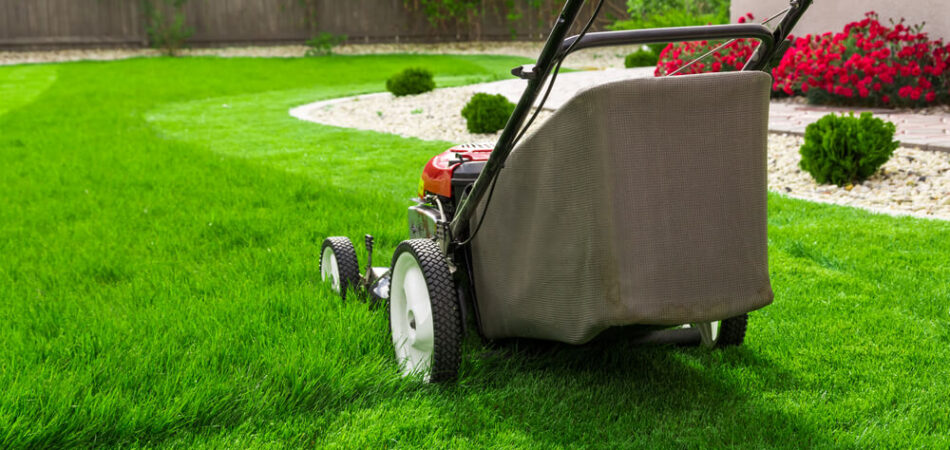
Regular mowing is crucial for maintaining a healthy lawn, but it’s not just about cutting the grass short.
The height to which you mow your lawn can significantly impact its health and resilience.
As a rule of thumb, never cut more than one-third of the grass blade at once as doing so can stress the grass and make it more susceptible to pests and diseases.
Also, remember to keep your mower blades sharp; dull blades tear rather than cut the grass, leaving jagged edges that can turn brown.
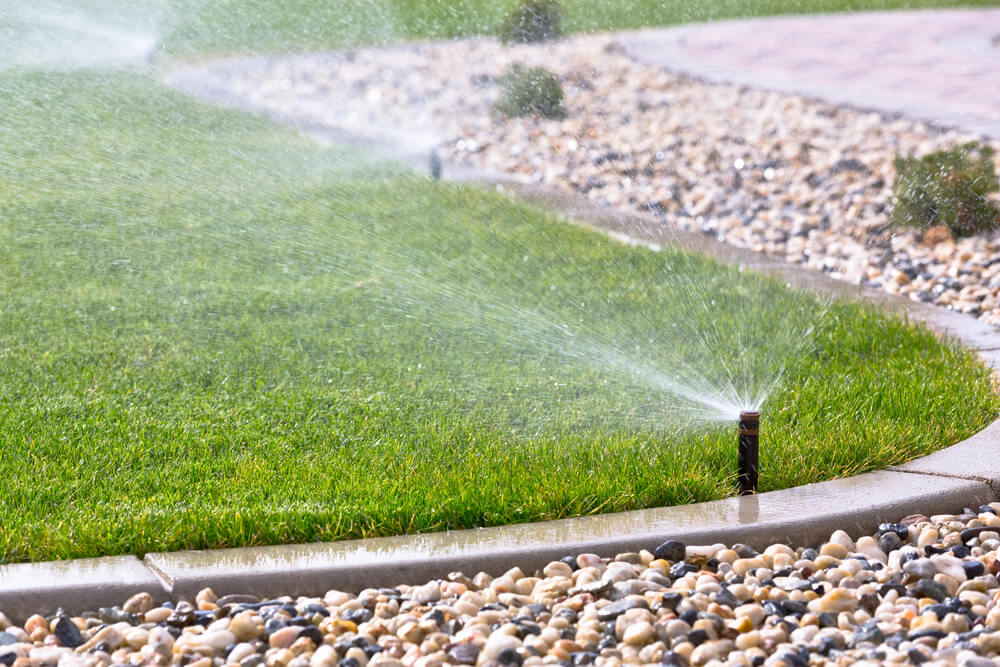
When it comes to watering, deep and infrequent watering is typically better than frequent light sprinklings. This encourages deeper root growth which in turn helps your lawn withstand dry spells better.
An inch of water per week (including rainfall) is generally adequate for most lawns during normal weather conditions, though this may need adjusting during particularly hot or dry periods. ‘The early morning hours are best for watering’ – this allows time for water to soak down into the soil before evaporation rates increase with rising daytime temperatures.
Feeding: Fertilizer Basics
Fertilizers play a crucial role in supplying these necessary nutrients, promoting vigorous growth, and enhancing the color of your grass. They can also help in repairing any damage from pests or diseases and improve the overall health of your yard.
Understanding the types of fertilizers and their components is essential for their effective use. The three primary nutrients found in most fertilizers are Nitrogen (N), Phosphorus (P), and Potassium (K).
Nitrogen promotes leaf growth and gives lawns their lush, green color;
Phosphorus supports root development;
while Potassium enhances overall plant health.
You should feed your lawn just before its peak growing season. For cool-season grasses, this means applying fertilizer in early spring or fall when temperatures start moderating but grasses are still actively growing. Warm-season grasses benefit most from fertilization during late spring or early summer.
As for quantities, always follow manufacturer instructions on fertilizer packaging as too much can burn your lawn while too little may not provide adequate nutrition for optimum growth. Remember: ‘more’ does not always mean ‘better’ – over-fertilization can lead to rapid but weak growth that’s prone to pests and diseases.
Weed Control and Pest Prevention
Weeds and pests can be a significant nuisance, spoiling the beauty of your lawn and competing with your grass for resources. Therefore, weed control and pest prevention are key aspects of effective lawn care.
There are several methods available to keep these unwanted guests at bay without compromising the health and appearance of your lawn. Regular mowing helps discourage weed growth by keeping the grass thick and healthy, thereby leaving little room for weeds to establish.
In case weeds still manage to creep in, consider using selective herbicides that target specific types of weeds without harming your grass. Pest management can be a bit more challenging as it often requires identifying the specific pest causing damage before implementing an appropriate control measure.
But again here, a healthy lawn is usually less susceptible to pest infestations as it’s able to recover quickly from minor damage caused by pests. If you do notice signs of pest activity such as irregular brown patches or visible insects on blades of grass, consider seeking advice from local garden centers or extension services who could recommend suitable ‘pest-specific’ treatment options that won’t harm beneficial insects or wildlife in your yard.
Seasonal Lawn Care Tips
Just as each season brings a change in weather, it also necessitates a shift in lawn care practices. Seasonal lawn care is all about adapting to these changes and preparing your yard for the varying conditions that come with each season. This not only helps maintain its aesthetic appeal but also ensures its health and vitality throughout the year.
During spring, focus on cleaning up any debris left over from winter and prepare your yard for new growth by fertilizing and overseeding if necessary.
Come summer, watering becomes crucial due to increased evaporation rates. Ensure your lawn gets an inch of water per week, either from rainfall or irrigation. Regular mowing is also key during this period; remember to adjust mower height so you’re not cutting grass too short which can stress it during hot weather.
Fall is a great time to aerate compacted soil and apply another round of fertilizer to strengthen grassroots for winter ahead.
As temperatures drop in winter, reduce watering frequency but don’t stop entirely – even dormant lawns need some moisture to survive through cold months without damage.
And always remember: ‘The best defense against seasonal challenges is a healthy lawn’ – regular maintenance goes a long way in ensuring your yard remains resilient despite changing seasons.
Outdoor lighting plays an indispensable role in elevating the overall appeal of landscapes, both physically and aesthetically. The strategic placement of lights can highlight certain features while...
A beautiful yard is an eye-catcher for property seekers. Some owners go the extra mile to boost the curb appeal of their yard, while buyers prepare more than their budget to get a property that is ...
Deck design plays a crucial role in enhancing the aesthetics and functionality of outdoor spaces, especially in a city with unique landscapes like New Orleans. Known for its picturesque views and d...
The city of New Orleans, known for its vibrant culture and picturesque architecture, offers a unique setting for residential homes. One way homeowners can significantly enhance their living spaces ...
Pavestones, also known as paving stones or pavers, are a popular choice for many homeowners when it comes to driveway construction. These rectangular or square pieces of stone, concrete, or brick a...
Landscaping your own yard involves several phases or processes.
Some of these are definitely required steps that you have to do at one point, while some are just additional steps that can be sk...


 Big Easy Landscaping
 Regular mowing is crucial for maintaining a healthy lawn, but it’s not just about cutting the grass short.
 By Admin


