

Table of Contents:
- Key Takeaways
- Identify Drought Stress
- a. Color Changes
- b. Footprint Test
- c. Blade Curling
- Essential Sod Survival Tactics
- a. Watering Wisely
- b. Mowing Adjustment
- c. Limit Traffic
- d. Pause Feeding
- e. Skip Herbicides
- Reviving Your Lawn Post-Drought
- a. Gentle Watering and Damage Assessment
- b. Strategic Repair
- Small Action Today, Lasting Results Tomorrow
Here’s how to save your sod through a drought. Prioritize deep, infrequent irrigation to promote deep root development. Mow high to shade the soil and prevent evaporation. Organic mulch applied around the edges can keep moisture in, and mixing these with drought-tolerant grass varieties is a sure-fire way to make it through.
Don’t let drought take away the beauty of your lawn—let Big Easy Landscaping provide the expertise and care your sod needs to stay healthy, green, and strong. Contact us today and keep your yard looking its best all season long.
Key Takeaways
- Know the early signs of drought stress — color change, footprint visibility, and blade curling — to save your lawn from permanent impairment. Check these signs daily.
- Water wisely with deep, infrequent watering in the early morning to promote deep root growth and reduce evaporation. Think about mulch or smart irrigation.
- Modify mowing by increasing cutting height to 7–10 cm and maintain sharp mower blades. Don’t mow as often during droughts to alleviate stress on the grass.
- Keep traffic off stressed sod. Divert activities and fence off sensitive patches of lawn.
- Fertilize and use herbicides during a drought. Fertilize only once the lawn rebounds, and keep chemical stressors to a minimum until moisture conditions are back to normal.
- Post-drought, ease into recovery with gentle, frequent hydration, damage evaluation, and targeted restoration. Utilize grass plugs, topdressing, or reseeding to restore damaged areas.
Identify Drought Stress

Drought stress can wreak havoc on your lawn’s health, so catching it early is key. By knowing the signs and science, you can act early to save your sod.
-
Color Changes
Grass color often indicates drought stress. A bluish-gray or pale yellow tint suggests a lack of water. Discoloration may vary by area due to uneven soil moisture; shaded spots retain water longer than sunnier ones.
It’s important to distinguish drought stress from nutrient deficiencies. Drought typically causes uniform yellowing or browning, while nutrient issues result in patchy discoloration. In drought-sensitive grasses like St. Augustine, yellowing can quickly lead to death. Cool-season grasses are even less resilient; when they yellow, they’re close to dying. Water immediately upon noticing color changes to prevent severe damage.
-
Footprint Test
If footprints remain after stepping on the grass, it indicates low water levels. This simple test reveals soil dryness and grass health. Persistent footprints suggest severe stress, so monitor this regularly, especially during heatwaves. Combined with color changes, this test is a reliable way to assess drought.
-
Blade Curling
Grass blades curling inward is a sign of moisture stress, common in Kentucky bluegrass. This response helps conserve water by reducing sun exposure. When you see curling, check the soil for dryness. If it’s hard and dry, water immediately and keep the grass taller for better shade.
Essential Sod Survival Tactics
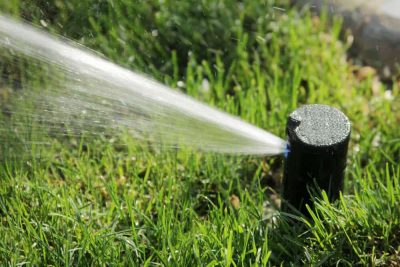
July keeps your sod alive during a drought. It takes some tricks and some recalibrating. These tips work exceptionally well in drought-prone areas, making sod live through dry spells without causing any permanent harm.
1. Watering Wisely
Deeply water but infrequently, about ½ inch twice a week to encourage deeper root growth. Water in the early morning to reduce evaporation. Daily test soil moisture with a screwdriver. Mulching and smart irrigation systems can help retain moisture.
2. Mowing Adjustment
Maintain mower height at 3-4 inches so that soil is covered and evaporation is reduced. For new sod, begin at 2.5-3 inches. Only cut one-third of the blade length at a time, and keep mower blades sharp to prevent disease.
3. Limit Traffic
Minimize foot traffic on drought-stressed sod in the first few weeks after installation. Divert activities from weakened sections and make use of temporary fencing to safeguard sensitive areas.
4. Pause Feeding
Failing to fertilize now during drought can prove fatal for sod. Phosphorus and potassium may be used for root development; continuity of normal feeding cannot resume until moisture levels return to normal.
5. Skip Herbicides
During dry periods, there are no herbicides involved: they only worsen the lawn’s stress. Hand-weeding can reduce competition for available moisture and delay treatment of the general area until cooler, wetter weather returns.
Reviving Your Lawn Post-Drought
Reviving your lawn after a drought takes some TLC. Stop long-term stress on your lawn with mitigation of damage, proper watering, and repairing damaged areas.
Gentle Watering and Damage Assessment
Start with really shallow, frequent watering, putting on about 6-12 mm each time without allowing it to run off, and instead, enhance moisture absorption. Avoid over-irrigation to prevent wasting water and soil compaction. When the sod is established, switch to deep watering – 25-38 mm a week. Water in the early morning hours, before sunrise to 8 a.m., to reduce evaporation and favor root absorption. Check soil moisture regularly to ensure evenness, especially in compacted areas.
Strategic Repair
Rake and clear the damaged areas to expose the soil.
If anybody has selected it, warm-season grass plugs or sod may be planted for fast recovery in really damaged areas.
- Spread topdressing to improve soil structure and retain moisture.
- Aerate all low spots to improve infiltration and encourage root development.
- Mulch around the edges of lawns to hold soil water. Set mower height to leave grass longer, roughly 0.5-1 inch higher than normal. This helps shade the soil and reduces stress while recovering.
Small Action Today, Lasting Results Tomorrow
It’s not an easy task to keep your sod alive in a drought, but it is possible with this study’s very fine approach. Water it deeply but infrequently to encourage strong roots. Cut higher to shade the soil, mow at a higher setting, and reduce foot traffic to relieve the lawn from pressure.
Don’t worry; it will come right again when the conditions improve. Remember to keep an eye on your lawn even when tough times hit. Healthy, bright lawns benefit everyone in the environment. For tailor-made advice or help, reach out to us at Big Easy Landscaping.