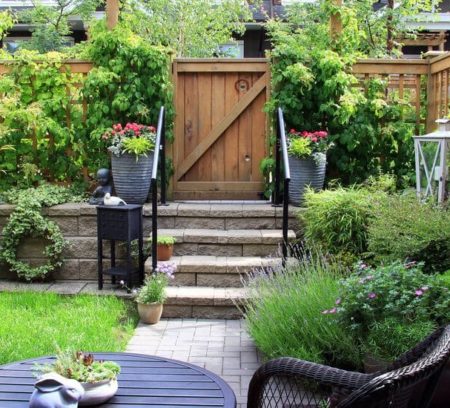
New Orleans, often referred to as the “Big Easy,” is recognized for its vibrant culture, lively music scene, and unique cuisine. However, it’s equally essential to understand New Orleans’ environment and climate when considering any outdoor landscaping development in the city. Situated in a low-lying area of Louisiana near the Mississippi River and Gulf of Mexico, New Orleans possesses a subtropical climate with long hot summers and short mild winters.
The city’s specific climatic conditions have significant implications on outdoor landscaping development. The high humidity levels combined with an average annual rainfall of 64 inches result in lush greenery throughout much of the year. This verdant environment makes New Orleans a prime location for diverse plant species that thrive in such conditions — from live oaks draped with Spanish moss to various types of ferns and flowering plants.
However, this same environment also presents certain challenges. For instance, the ground in New Orleans is notoriously soft due to its high water content, making it difficult to build sturdy structures without proper planning or construction techniques. Additionally, being situated below sea level means that flooding can be a common occurrence especially during hurricane season which runs from June through November each year.
Therefore understanding these environmental factors is not just crucial but essential when considering any form of outdoor landscaping development within the city limits or surrounding areas. It is not merely about creating beautiful landscapes but ensuring they are resilient enough to withstand nature’s elements over time while preserving and enhancing the natural beauty inherent within this vibrant subtropical ecosystem.
Landscaping Principles in New Orleans
The landscaping principles utilized in New Orleans region are deeply rooted in the city’s unique environment and cultural heritage. The local flora, such as the Southern magnolia, bald cypress trees, and various types of ferns and mosses, are commonly used to create lush landscapes that reflect the city’s subtropical climate. Additionally, plant species that can tolerate high humidity levels and frequent flooding like swamp azaleas or Louisiana irises are also often incorporated into landscapes.
Architecturally speaking, New Orleans’ landscaping style is greatly influenced by its rich history. The iconic French Quarter is known for its courtyard gardens which often feature a central fountain surrounded by an array of local plants creating a serene oasis amidst the bustling city streets. On the other hand, traditional Creole cottages frequently showcase front-yard gardens with vibrant flower beds lining walkways to create a welcoming entranceway. Each element chosen reflects not just aesthetics but also resilience against New Orleans’ challenging environmental conditions.
Case Study Analysis
A prime example of innovative landscaping in New Orleans is the Water Garden, a recent project designed as part of the city’s water management strategy. This garden showcases an impressive array of native plants adapted to wet conditions surrounding a central pond. It uses rainwater run-off from nearby buildings, stored in underground cisterns, which is then filtered through the garden’s plantings before being released back into the city’s drainage system. The Water Garden serves not just as a spectacular display of local flora but also as an effective and sustainable solution to address flood concerns.
Another notable project is The Lafitte Greenway, which transformed an old railway corridor into a 2.6-mile linear park and bike path connecting different neighborhoods across New Orleans. The Greenway incorporates native grasses, trees, and wildflowers along its length providing habitats for local fauna while offering residents access to green spaces within urban areas.
On a smaller scale yet equally impressive is Longue Vue House and Gardens’ recent revamp that showcases traditional Southern garden design with modern sustainability practices. The historic estate features eight acres of gardens with diverse sections showcasing different plant species such as camellias, irises, and azaleas alongside more exotic varieties like bamboo groves.
Lastly, we have The Helis Foundation Enrique Alférez Sculpture Garden located within City Park which combines art with landscaping by displaying over 20 sculptures by renowned Mexican-American artist Enrique Alférez amidst lush tropical foliage including palmettos, live oaks draped in Spanish moss and various ferns creating a unique fusion between nature and art. These projects highlight how landscape development can not only enhance aesthetics but also contribute towards environmental sustainability whilst preserving New Orleans’ distinctive cultural heritage.
Possible Landscape Designs
Innovative ideas for landscaping in New Orleans could draw inspiration from the region’s coastal environment. One such concept could be “Living Shores,” incorporating elements like native beach grasses, sand dunes, and even oyster shell pathways to reflect the city’s close proximity to the Gulf of Mexico. This would not only create a distinctive aesthetic but also serve as a natural buffer against coastal erosion and flooding.
Another idea could be creating “Urban Rain Gardens,” small-scale versions of the Water Garden project mentioned earlier. These gardens would utilize local plants adapted to high water levels to absorb rainwater runoff from surrounding buildings or streets, reducing flood risks while providing urban dwellers with pockets of green spaces within concrete landscapes. The utilization of local materials such as recycled bricks for garden borders or crushed shells for pathways can further enhance these designs by adding a unique regional element while promoting sustainability.
Maintenance of Landscaped Spaces in New Orleans
Maintaining landscaped spaces in New Orleans requires careful planning and consistent care due to the city’s unique climate. The high humidity and frequent rainfall mean that plants often grow rapidly, requiring regular trimming to keep them looking their best. It is also important to ensure proper drainage in garden beds and lawns to prevent waterlogging during heavy rains, which could lead to root rot or other diseases. Regular irrigation during drier periods is also crucial for plant health.
Pest control is another important aspect of landscape maintenance in this region. Many common pests thrive in the subtropical conditions of New Orleans, including mosquitoes, termites, and various types of beetles. Regular inspections for signs of infestation can help catch any issues early before they become major problems. Furthermore, using native plants that are naturally resistant to local pests can be a sustainable way to reduce the need for chemical pesticides while maintaining a healthy and vibrant garden.
Conclusion
In conclusion, landscaping in New Orleans is a multifaceted discipline that combines knowledge of the city’s unique environment and climate with creative design principles. It requires careful selection of plant species adapted to high humidity and frequent rainfall, as well as innovative uses of space and local materials. Moreover, maintaining these beautiful landscaped spaces necessitates regular irrigation, proper drainage, and pest control measures tailored to the subtropical conditions.
For those interested in delving deeper into this topic, resources such as the Louisiana State University’s Agricultural Center offer a wealth of information on native plants and sustainable landscaping practices. Local landscape architects or gardening clubs can also provide invaluable insights based on their personal experiences working within this unique regional context. Remember that successful landscaping is not just about creating aesthetically pleasing spaces but also about ensuring their resilience over time while preserving New Orleans’ vibrant cultural heritage through thoughtful design choices.


 Big Easy Landscaping
 By Admin