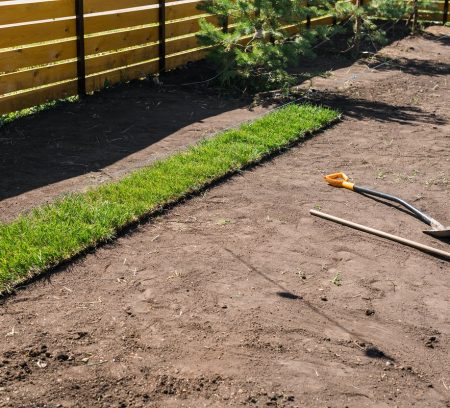
Landscape drainage is a fundamental principle of gardening and landscape maintenance that plays a pivotal role in maintaining the health of soil and vegetation. It involves the removal or redirection of water from specific areas within your landscape to prevent waterlogging, which can lead to numerous problems such as root rot, soil erosion, and plant disease. Moreover, it ensures that your plants are not overwatered or underwatered by directing excess water away while keeping adequate moisture levels for plant growth.
The importance of effective landscape drainage cannot be overstated. Without it, the excess accumulation of water can harm both your plants and the overall aesthetic appeal of your garden. Waterlogged soils often become compacted and deprived of oxygen – conditions that are detrimental to most plants’ roots which need oxygen for respiration. Furthermore, poor drainage creates an environment conducive to diseases caused by fungi or bacteria which thrive in wet conditions.
The basic concept behind landscape drainage is quite simple: ‘Water should move from high points to low points.’ This movement can occur naturally due to gravity or through human intervention such as installing drain pipes or creating swales (shallow ditches). A well-designed landscape will take into account natural slopes and contours while incorporating artificial structures where necessary for optimal water flow.
Understanding these basic principles will help you maintain a healthy garden with thriving vegetation. Remember that different types of soils have varying capacities for holding onto moisture; sandy soils tend to drain quickly while clayey ones retain more moisture but may have poor drainage capacity if compacted. Therefore designing an efficient landscape drainage system requires understanding both the topography of your land as well as the characteristics unique to each type individual type soil on your property.
Assessing Current Drainage System
To accurately assess your current drainage system, it is crucial to observe how water moves through your landscape, particularly during or immediately after a heavy rainfall. Look out for areas where water tends to pool or where runoff is eroding the soil. These are indicators of poor drainage that may need addressing. Also, be aware of the health of your plants; yellowing leaves, stunted growth and a general lack of vigor can all be signs of either too much or too little water.
Common problems with landscape drainage systems often include blocked drain pipes and gutters, inadequate grading leading to pooling water in certain areas, and compacted soil which hinders effective percolation of water into the ground. Some issues might require professional intervention but many can be addressed through relatively simple means such as cleaning out blocked drains, adding organic matter to improve soil structure or reshaping the land slightly to guide excess water away from problem areas.
Plan Your Drainage Project
Developing a comprehensive drainage improvement project starts with defining the project’s scope. This involves identifying the problem areas in your landscape, determining what type of solution will be most effective, and understanding how this project will impact other aspects of your landscape. The scope should address all identified drainage issues while also taking into consideration any future landscaping plans you might have.
The next step is to establish a realistic budget for your drainage improvement project. This budget should account for materials such as pipes or gravel for French drains, rental equipment if necessary, and labor costs if you plan to hire professionals. It’s crucial to remember that skimping on quality can lead to more costly repairs down the line; it is better to invest in durable materials and professional services now rather than face recurring drainage problems later.
Screenings are an essential part of planning any major landscaping work including drainage projects. These involve checking local regulations regarding land alterations and obtaining necessary permissions or permits before starting work. Be sure also to check the location of underground utilities before digging; many municipalities offer free utility marking services that can help avoid accidental damage.
Finally, set reasonable deadlines for each phase of your drainage improvement project based on its complexity and size as well as availability of resources (both human labor and supplies). Keep in mind that weather conditions can affect progress so it’s wise to allow some flexibility in scheduling tasks. Having a clear timeline helps ensure smooth execution while minimizing disruption to normal use of your outdoor spaces during construction.
Choosing the Right Materials
Choosing the right materials for your drainage improvement project is a critical step that depends on both the type of landscape and your available budget. For instance, if you have clay soil that drains poorly, installing a French drain using gravel and perforated pipe might be an effective solution. On the other hand, sandy soil may benefit more from organic amendments to increase its water-holding capacity.
When it comes to selecting materials based on budget, remember that while cost is important, so too is durability. Opting for cheaper but lower quality materials can result in frequent maintenance or replacement costs down the line. Therefore it’s worth investing in high-quality drainage materials that will withstand regular use and varying weather conditions over time. If you’re unsure about what would be most suitable for your landscape and budget requirements, consulting with a landscaping professional can provide useful insights tailored to your specific situation.
Installation Process
The first step in the installation process is to mark out the area where the drainage system will be installed, based on your earlier assessment and planning. This includes marking out trenches for drain pipes or channels, areas for catch basins or dry wells, and exit points for water. It’s important to ensure that all markings align with your plan and that they lead water away from problem areas towards appropriate outlets.
Next comes excavation. This involves digging trenches at a slight gradient to allow water flow by gravity towards the desired outlets. Safety is paramount during this phase; always wear protective gear such as gloves and safety glasses while using tools, avoid working in overly wet conditions which can cause trench walls to collapse, and be sure not to dig too close to any underground utilities.
Once excavation is complete, it’s time for installation of drainage materials. If you’re installing a French drain for example, this would involve laying down a layer of gravel at the bottom of your trench followed by a perforated pipe wrapped in landscape fabric (to prevent silt from clogging up the pipe) before covering everything with more gravel up to ground level.
The final step in any drainage improvement project is clean-up and restoration of disturbed areas once installation work has been completed. Fill up any remaining open spaces around newly installed structures with soil or mulch as applicable then replant grass or other vegetation as necessary so everything blends seamlessly into your landscape once again. After all work has been done it’s critical that you monitor performance especially during heavy rainfall events so adjustments can be made if needed based on real-world performance compared against expected results from your original planning stage.
Maintenance and Troubleshooting
Once your drainage system is installed, it’s important to ensure that it continues to function effectively through regular maintenance. This could involve cleaning out leaves and other debris from drain inlets and outlets, checking for signs of erosion around the drainage area, or inspecting pipes for any damage. Regular maintenance not only extends the life of your drainage system but also helps prevent minor issues from escalating into major problems.
One common issue with landscape drainage systems is blockages. These can occur when leaves, grass clippings or other debris accumulate inside pipes or at drain inlets/outlets preventing water flow. If you notice water backing up instead of draining away as it should then this might be a sign of a blockage which you can often clear out manually using tools such as a plumber’s snake.
Another common problem involves settling or shifting ground which can alter the gradient of your drains causing water to pool in certain sections instead of flowing away smoothly. In such cases, you may need to excavate that part of your drainage system and re-install with correct slopes.
Lastly, keep an eye on the health and appearance of vegetation around your landscape especially near newly installed drains; if plants start showing signs such as wilting or yellowing this could indicate either too much or too little moisture which might mean adjustments are needed within your drainage setup. Remember that no matter how well designed and installed every drainage system would require occasional tweaks based on changing conditions over time so ongoing monitoring forms an essential part of overall care.


 Big Easy Landscaping
 By Admin