In New Orleans, the city’s zoning ordinance allows a fence or wall in front, side, and rear yards without a set distance from the lot line, so a fence can generally sit at the property line once a survey confirms where it runs. Most fences are capped at 8 feet, or 7 feet in national historic districts, and front yard fences must be open. Historic districts, corner lots, and covenants add limits.
At Big Easy Landscaping, we find that the fence jobs that go wrong almost never go wrong during construction. They go wrong months later, when someone discovers the line is not where everyone assumed.
Moving a finished fence typically costs several times what surveying first would have. It also costs a relationship with the person living next door.
The preparation usually takes about a week and removes most of that risk. Contact us today to have your boundary and fence line planned before anything is ordered.
Locate the Line Before Setting a Post
Inside New Orleans, the zoning ordinance lets a fence or wall stand in any yard with no minimum distance from the lot line, so it can generally go up to the property line. The limits are height, open fencing in front yards, corner sight lines, and historic or covenant rules, and a survey has to confirm the line first.
Order a Survey Rather Than Trusting the Old Fence
Existing fences can be the most misleading guide to a boundary. They were often placed for convenience, replaced in roughly the same spot, and drifted a little each time.
A licensed surveyor sets pins at the true corners and gives you a document you can rely on. That document is the record you can point to if the line is ever questioned.
The cost is usually small against the price of the fence, and far smaller than moving one. On older New Orleans lots with irregular shapes, it is the step we would never skip.
Find and Protect the Survey Pins
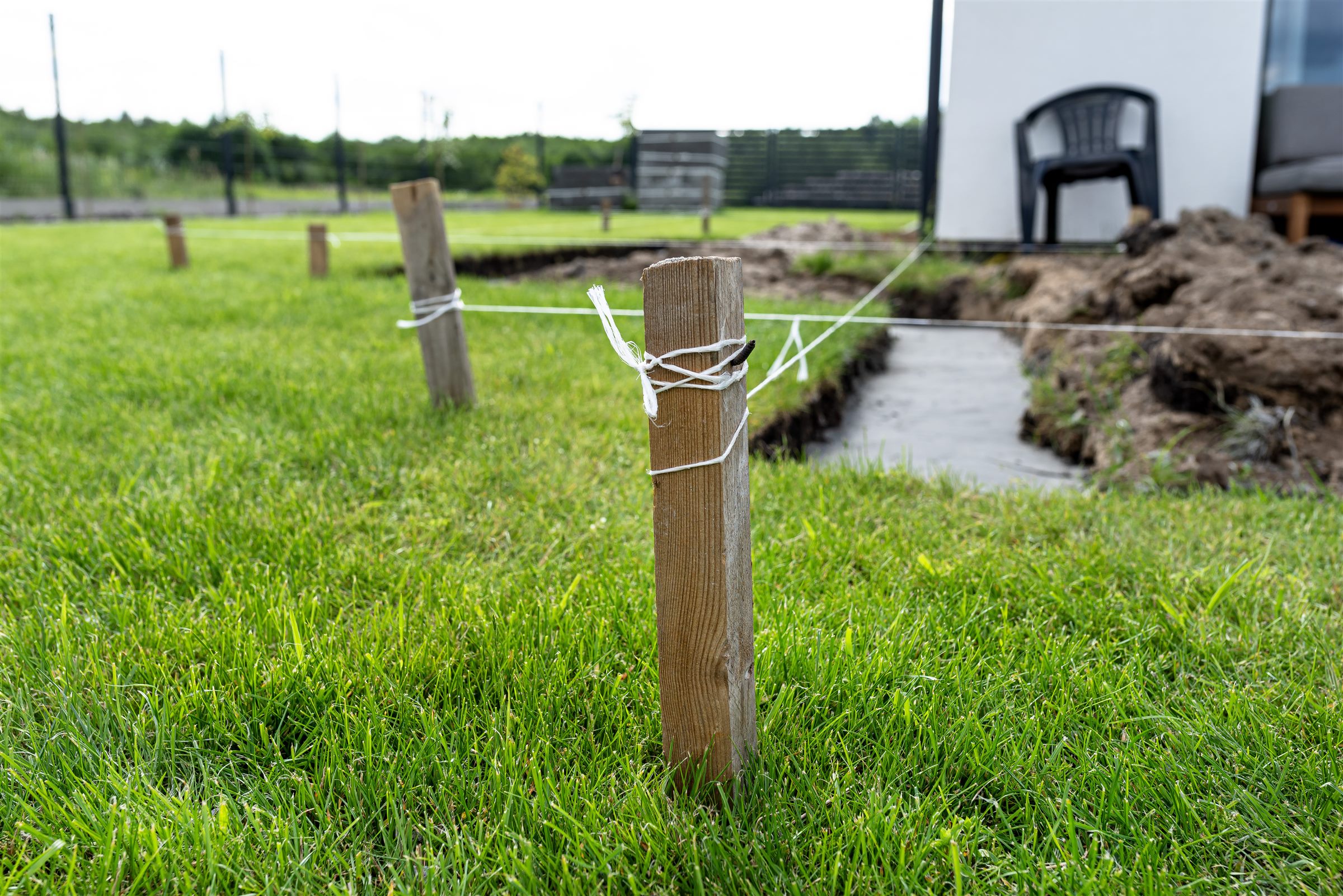 Once the surveyor marks the corners, photograph them and note their position against something fixed. Pins get buried, knocked, or removed during construction.
Measuring from the pins to a driveway edge or a house corner gives you a reference you can re-establish. That takes five minutes and saves a second survey.
Flag them clearly so no one working on site disturbs them. A crew moving material will not know what a small metal pin means.
Understand What the Deed Does and Does Not Say
A deed describes the parcel, but it does not physically locate it on the ground. Translating the description into marks on the soil is the surveyor’s job.
Old descriptions also reference features that may no longer exist. A call to a tree or a fence post from decades ago is not something you can measure to today.
Servitudes and utility easements also appear in the paperwork and can restrict what you build. A boundary you own outright may still carry a right of access you have to leave clear.
Check the Fence Rules That Apply to Your Lot
Parish rules, subdivision covenants, and historic district requirements can all affect what you are allowed to build. They often stack rather than replace each other, so confirm each one that applies to your own address.
Confirm Height and Material Limits for Your Address
Inside Orleans Parish, the city’s zoning ordinance caps most fences and walls at 8 feet, or 7 feet in national historic districts, and front yard fences have to be open fences. Along a shared side or rear line, height is measured from the higher grade on either side.
On a corner lot, no fence over 24 inches can sit in the sight triangle measured 20 feet along the curb from the intersection. Lake Vista and Lake Terrace set tighter limits, down to 1.5 feet in front yards and 5 feet in rear yards, and Lake Vista restricts materials.
Jefferson Parish and the North Shore parishes write their own rules, so check the one that governs your address. Do not assume a neighbor’s fence was compliant.
Read Any Subdivision or Association Restrictions
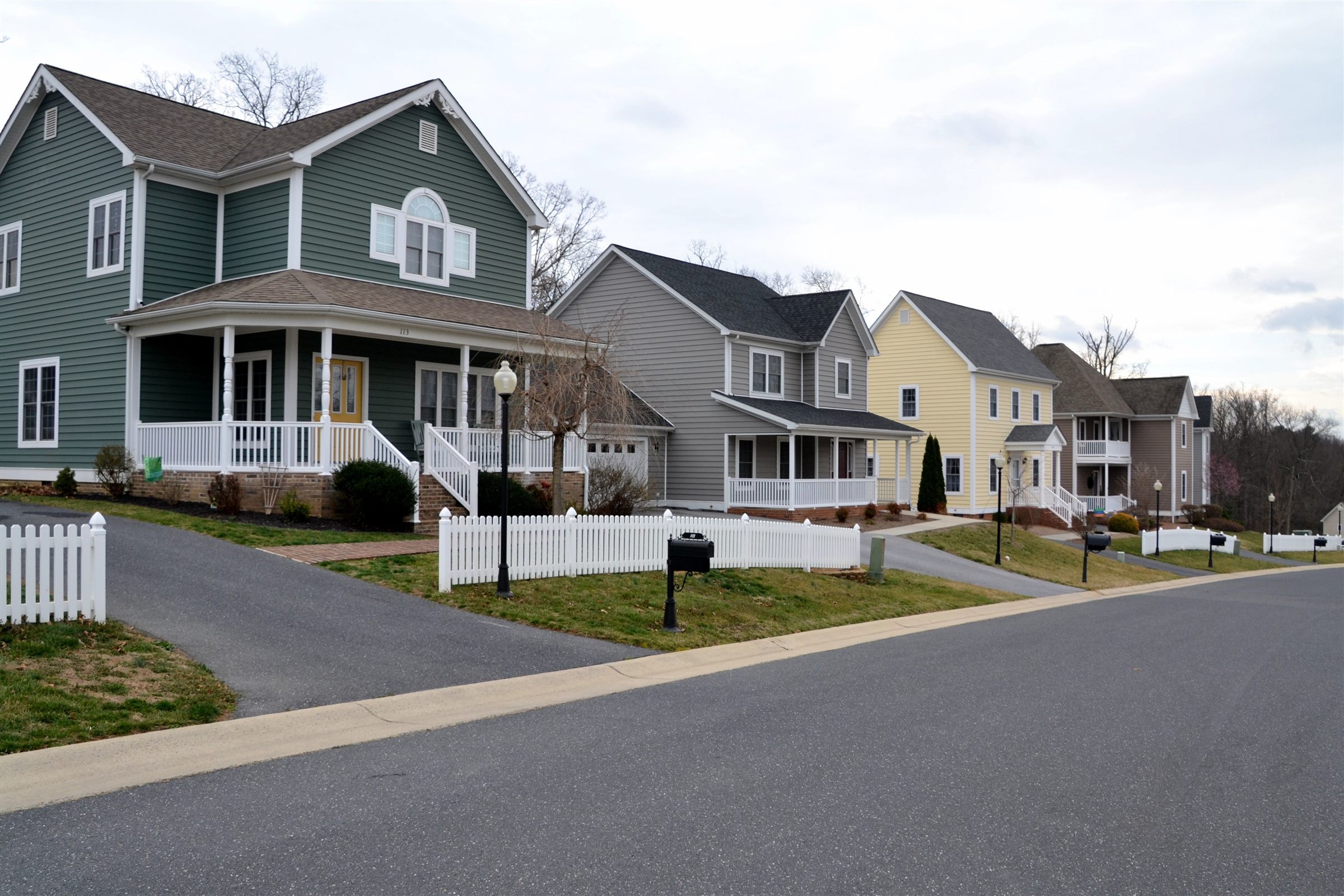 A covenant can be stricter than the parish rule and may be enforced separately from it. Subdivision documents on the North Shore often specify material, color, and height.
These documents are easy to overlook because they arrive with the closing paperwork and are never looked at again. Find yours before planning.
Where an association review is required, allow time for it in the schedule. Approval is rarely instant.
Check Historic District Requirements
Parts of New Orleans sit within historic districts where fencing can be reviewed for appearance as well as dimension. Approved materials and styles can be specific.
The review process adds time, so build it into the plan rather than discovering it late. Starting work without approval risks having to remove it.
Where you are unsure whether a property falls inside a district, ask the relevant commission directly. The boundaries are not always obvious from the street.
Talk to the Neighbor Before the Crew Arrives
A conversation before construction heads off most fence disputes. It costs nothing, and it changes the tone of everything that follows.
Show Them the Survey, Not Your Opinion
Arriving with a surveyor’s document rather than an assertion changes the conversation entirely. It moves the discussion from opinion to record.
In our experience, most people accept a professional survey without argument. Very few accept a neighbor’s own measurement.
Offer them a copy. Transparency here costs you nothing and buys considerable goodwill.
Agree on Which Side Faces Where
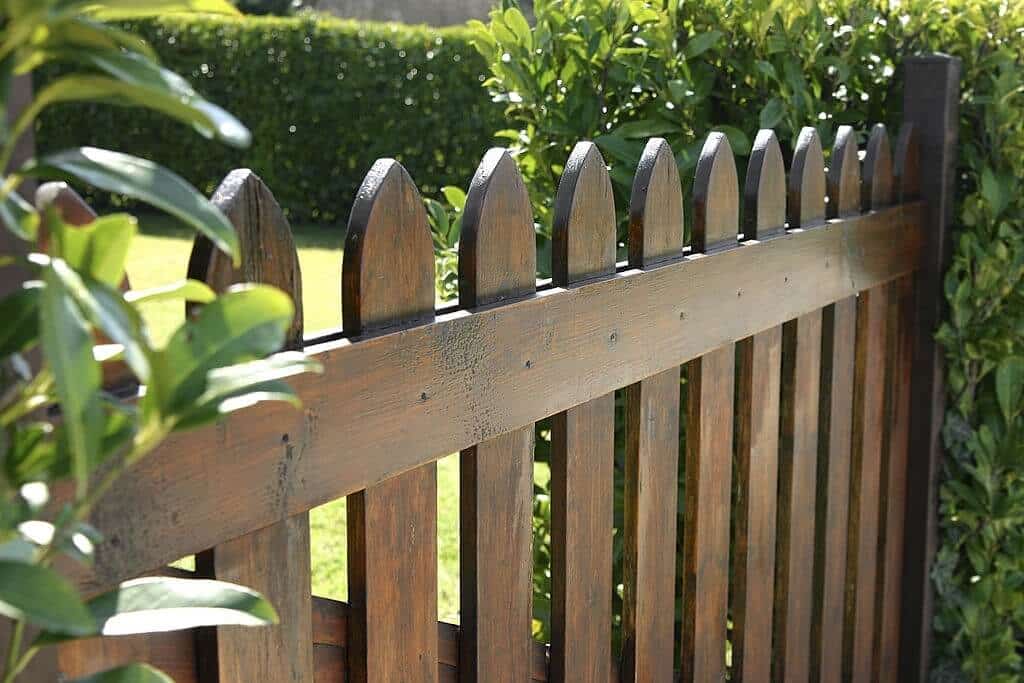
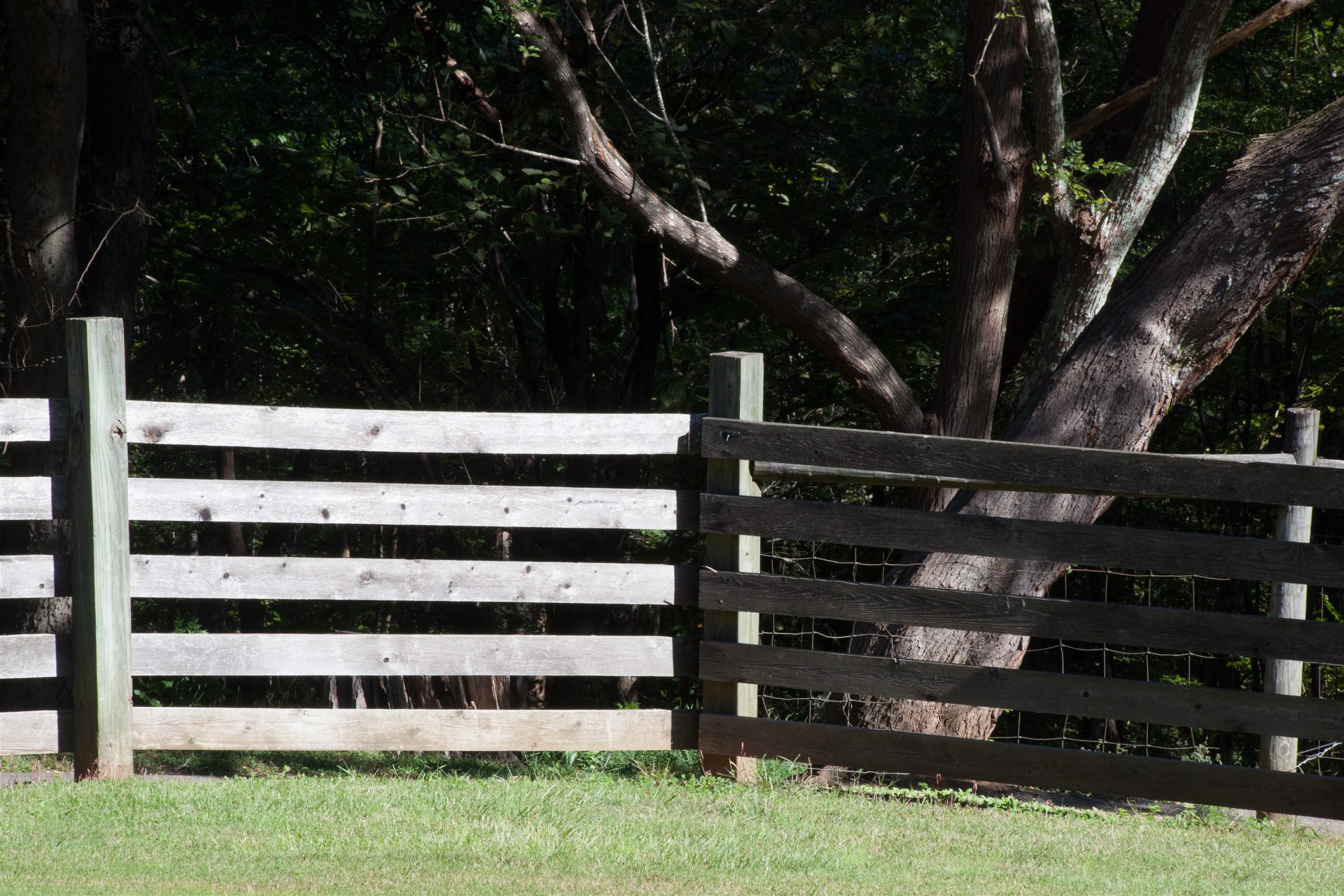 Fences have a finished side and a structural side, and convention generally puts the finished side outward. Agreeing on this in advance prevents a complaint afterward.
Some covenants specify it, so check before assuming. Where nothing specifies it, saying what you plan to do is enough.
If the neighbor feels strongly, a shadowbox or good-neighbor design looks the same from both sides. It costs a little more and ends the discussion.
Discuss Access and Timing
Building close to a line sometimes needs access from the other side, even briefly. Asking in advance is far easier than asking mid-build.
Where a shared feature is affected, agree on what happens to it before work starts. Assumptions about a shared hedge cause more friction than the fence does.
Put anything you agree on in writing, even as a short message. Memories of a driveway conversation diverge within weeks, and a written note settles it without anyone having to be right.
Plan for Water and Ground Movement
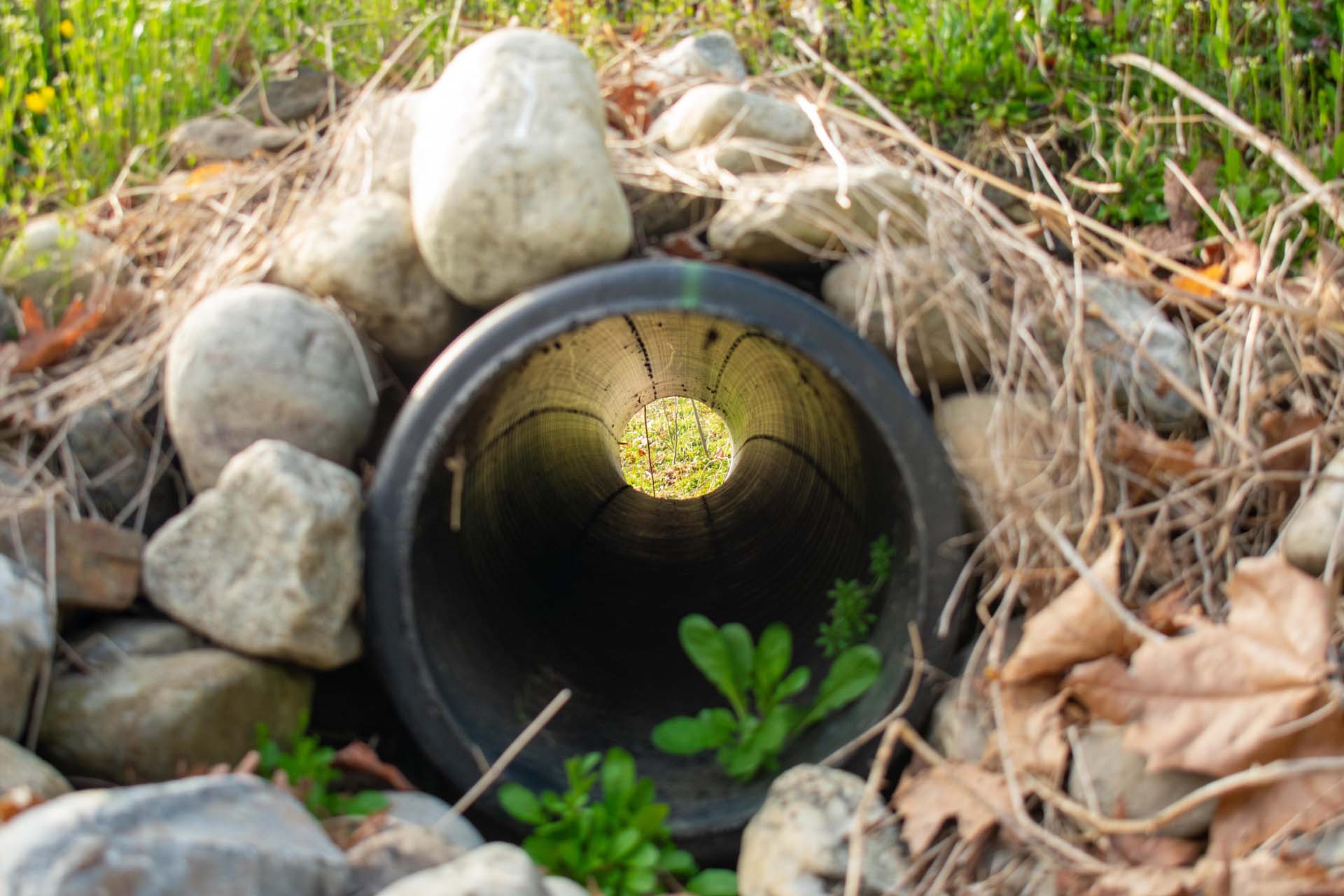
A fence is a barrier, and in New Orleans barriers affect water. Ignore that, and the fence creates a problem it did not have to.
| Issue | What Happens | Design Response |
|---|---|---|
| Fence crosses a drainage path | Water dams and pools on the upstream side | Leave a gap at grade or run a channel beneath |
| Solid panels on a low boundary | Debris builds against the base after storms | Raise the bottom rail slightly off grade |
| Posts set in soft soil | Leaning develops within a few seasons | Deeper footings sized to the soil, not the fence |
| Line runs under a mature tree | Roots block posts, or cutting them harms the tree | Shift post spacing to span the root zone |
Our hardscaping service sets footings to the soil conditions on the specific lot. Where the boundary crosses a low line, our drainage service handles the water before the posts go in. Where sprinkler lines run close to the boundary, our irrigation service can locate them before the post holes are dug.
Survey First, Then Build Once
Almost every fence problem we are called to fix traces back to a line nobody confirmed. The construction itself is rarely the issue.
At Big Easy Landscaping, we work from a survey, check the rules that apply to your address, and plan the water before the first post. Call us today to have your fence line established properly.
Frequently Asked Questions
Do I need a survey before building a fence?
A survey is usually the most worthwhile step. Existing fences, hedges, and long-held assumptions frequently sit off the true line, and a licensed survey sets pins you can rely on. The cost is small against the fence, and far smaller than relocating one built in the wrong place.
How tall can a fence be in New Orleans?
Under the city’s zoning ordinance, most fences and walls in Orleans Parish can reach 8 feet, or 7 feet in national historic districts, and front yard fences must be open. Lake Vista and Lake Terrace set lower limits, and a corner lot’s sight triangle allows no fence over 24 inches. Other parishes set their own heights.
Who owns a fence on the property line?
Ownership depends on where it sits, who paid for it, and any agreement between the parties. A fence built entirely within your own boundary is generally treated as yours, though your title paperwork and the rules for your address govern the specifics. Anything sitting on the line itself is best handled by written agreement with the neighbor before construction.
Which side of the fence faces the neighbor?
Convention puts the finished side outward, facing the neighbor or the street. Some covenants specify it, so check your subdivision documents before assuming. A shadowbox or good-neighbor design looks the same from both sides and removes the question entirely for both households.
Do you need a permit for a fence in New Orleans?
A standard fence often does not need one. The city’s building code exempts fences up to 7 feet and masonry walls up to 3 feet from a building permit when they comply with the zoning ordinance, but that exemption does not cover historic district or Vieux Carre Commission review. Other parishes set their own rules, so confirm before ordering material.
What happens if a fence is built on the wrong side of the line?
The fence may have to be moved, at the builder’s or owner’s expense, and it can create a dispute that outlasts the fence. This is the outcome a survey is intended to prevent. Resolving it after construction is almost always more expensive than confirming the line first.
Can a fence cause drainage problems?
Yes, and it is a common problem in New Orleans. A solid fence across a natural drainage path dams water on the upstream side, which in our rainfall becomes standing water quickly. Leaving a gap at grade or running a channel beneath the line prevents it, and it has to be planned before the posts are set.
How deep should fence posts be in Louisiana soil?
Posts should go deep enough for the soil on that specific lot rather than a standard figure. Soft or high-water-table ground needs more depth than firm soil to resist leaning. Have the footings sized to the conditions, since posts set too shallow lean within a few seasons.