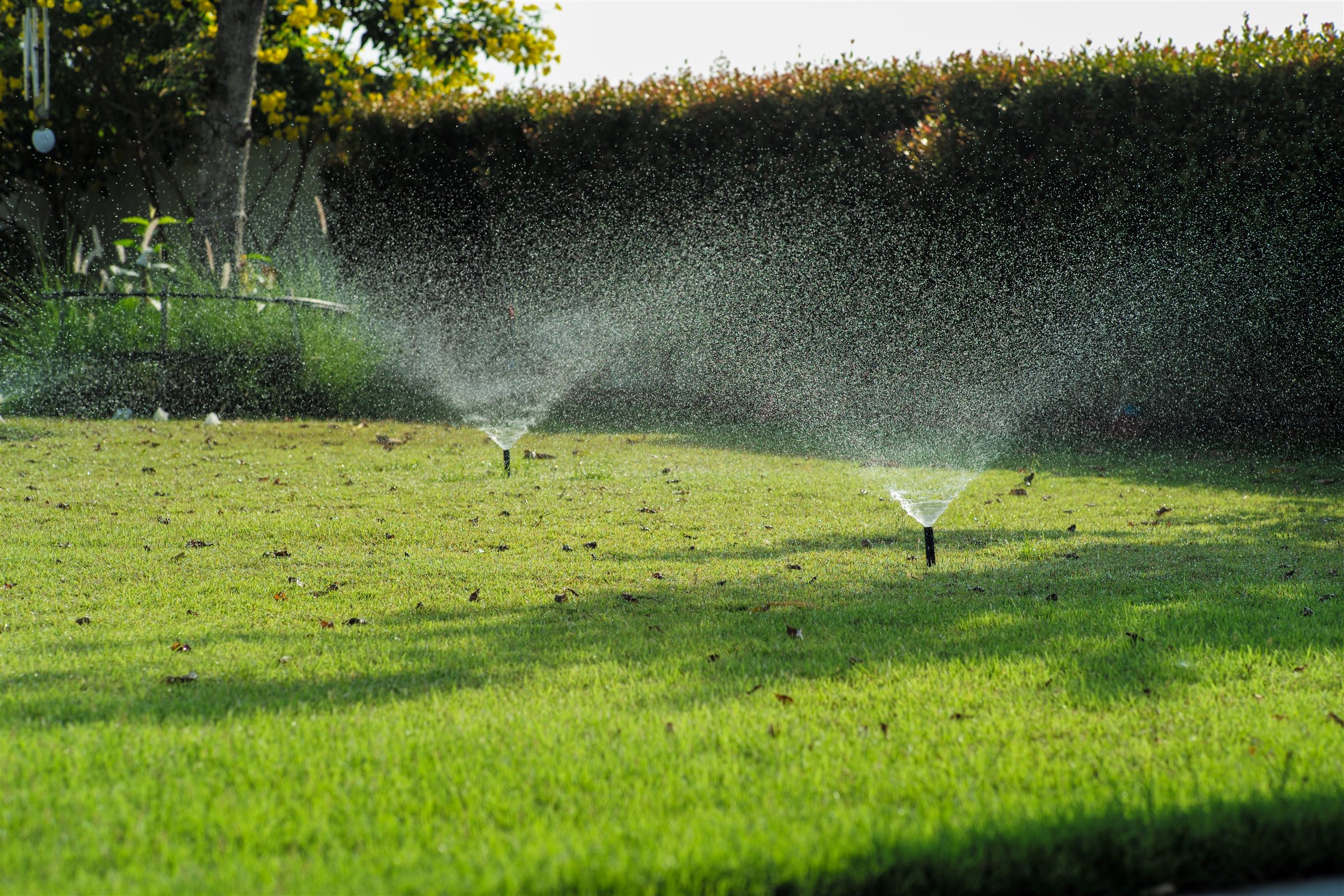
You can tell an irrigation system is working by running each zone and watching it: every head should rise, spray a clear pattern over its area, and drop back down when the cycle ends. In New Orleans, also check that the lawn dries evenly, no patch stays soggy, the controller runs zones on schedule, and the rain sensor skips cycles after a downpour. A rising water bill with no schedule change can point to a hidden leak.
At Big Easy Landscaping, the irrigation calls we get in late summer are almost never about a system that stopped. They are about a system that has been quietly failing for months.
Sprinklers run before dawn, which is exactly when nobody is watching. A head can spray a fence for an entire season before anyone notices the bill.
Watching the system run once a season catches nearly all of it. Contact us today to have your zones checked before the next water bill arrives.
What the Lawn Shows You Between Cycles
Read the lawn over the few days after a cycle, because even drying, no soggy spots, and no dry wedges are the clearest proof the system is doing its job. Before that, run each zone and watch it: every head should rise, throw a clear spray over its area, and drop back down when the cycle ends.
A Wet Patch That Never Dries Out
Ground that stays soft days after the system ran points to a leak underground or a drainage problem, not just overwatering. A cracked lateral or a failed seal releases water the whole time the zone is on.
The patch is often greener than the surrounding lawn at first, which is why it gets ignored. By the time it turns soft and spongy, a fair volume has been lost.
Walk the yard the morning after a cycle and feel for soft ground. A morning walk is the cheapest leak detection available.
Dry Patches Right Beside Healthy Grass
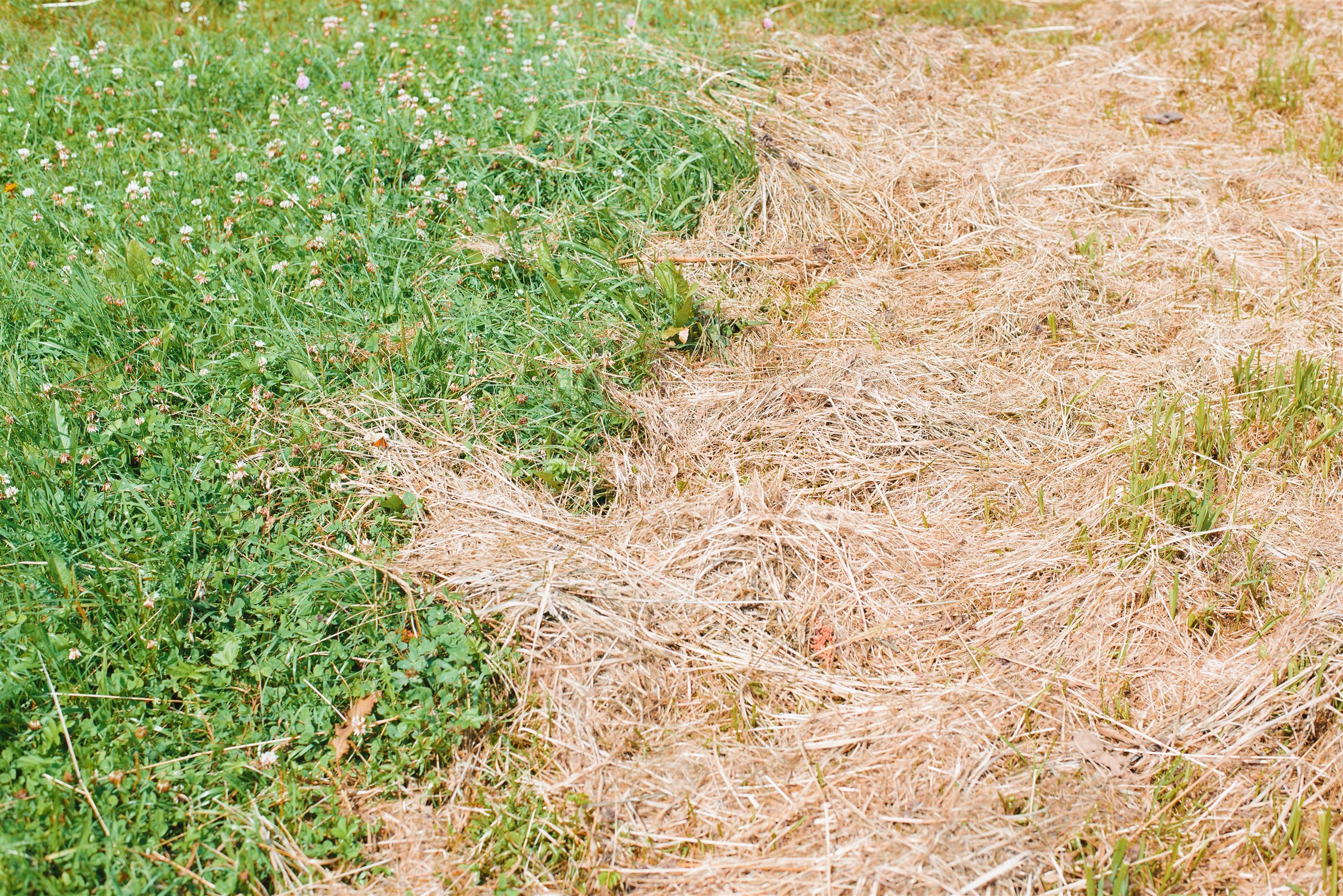 Sharp edges between green and brown usually mean coverage has failed, not the grass itself. A head that has sunk, tilted, or clogged stops reaching its arc.
Look for the pattern rather than the patch. A wedge or a stripe of dry grass traces back to one head.
Soil settles around heads over time, which slowly drops them below the grass line. That is normal, and it is exactly why seasonal checks matter.
Grass Growing Along a Line
A strip of noticeably greener, faster-growing grass often marks a leaking pipe beneath it. The line feeds that strip continuously.
The stripe shows up best in the drier weeks, when the rest of the lawn is under stress. That contrast disappears after heavy rain.
Mark the line while you can see it. It is far easier to locate a leak when the grass is pointing at it.
Photograph it with something fixed in frame, like a fence post or a bed edge. The stripe fades once the weather turns, and the reference is what lets a crew find it again.
What the Equipment Tells You When It Runs
Some faults never reach the lawn. You have to watch the system working to catch them.
Heads That Mist Instead of Spray
A fine mist rather than defined droplets means pressure is too high for that head. Misted water drifts and evaporates before it reaches the soil.
Misting looks like a healthy spray, so the fault goes uncorrected for seasons. In practice a misting zone delivers a fraction of what it should.
Pressure regulation at the head or the zone solves it. It is the kind of fault our irrigation service is there to find and correct.
Heads That Do Not Retract
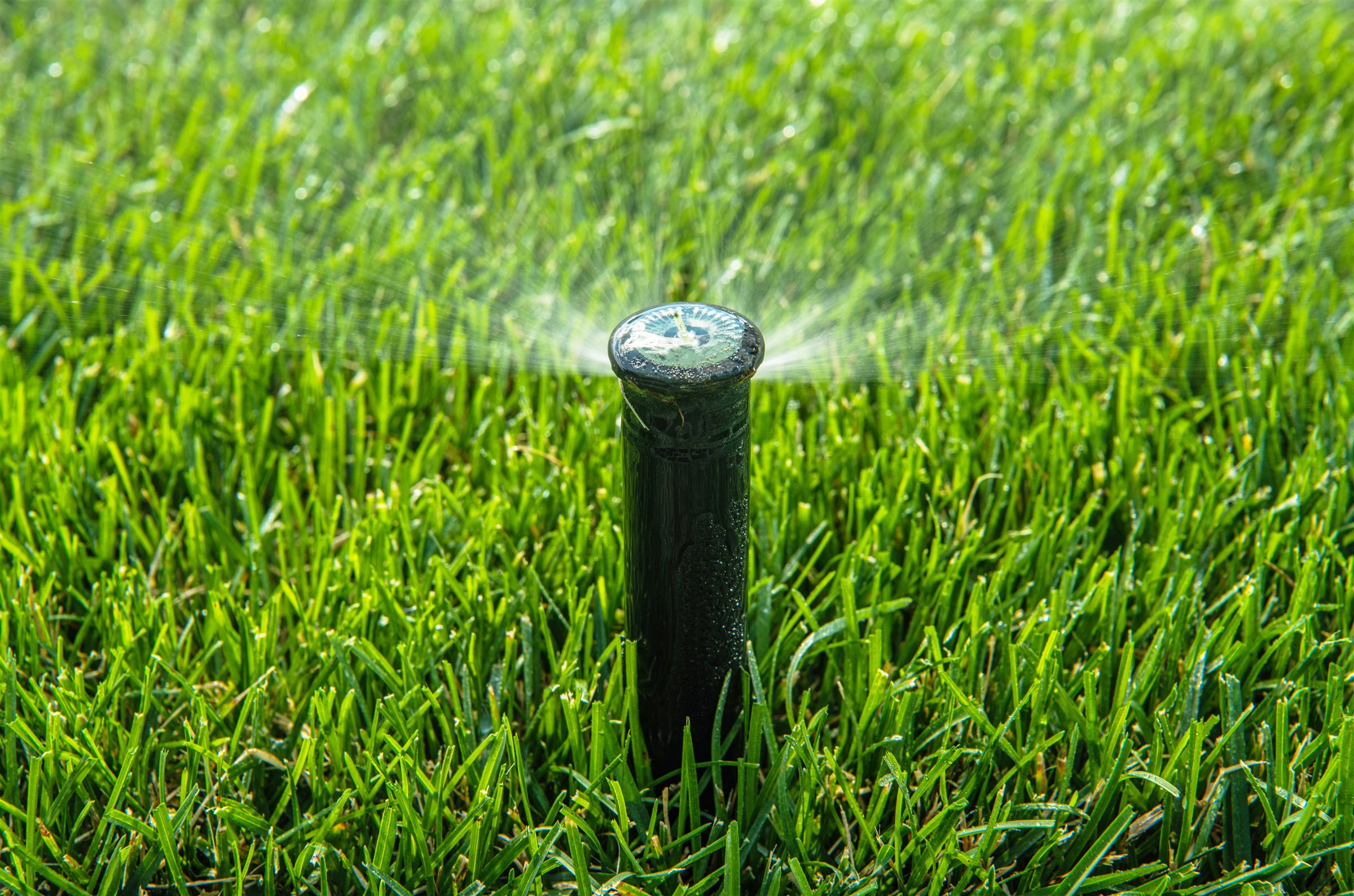 A head left standing after the cycle finishes usually has debris in the body or a worn retract spring. Standing heads get hit by mowers, which turns a small repair into a replacement.
Walk the zones after a cycle and look for anything still up. That check takes two minutes per zone.
Grit in the water gets into heads easily, particularly after any work on the street mains. Debris in the body is one of the most common reasons a head sticks up.
Zones That Run Out of Sequence
A controller running zones at the wrong time, or running two at once, usually points to a wiring or valve fault. Valve diaphragms wear gradually, while a burned-out solenoid coil stops a zone outright.
Watch a full cycle at least once a season. Programming drift also happens after a power interruption, and we get those regularly here.
Write down what each zone covers and check the controller matches. Labels fade and assumptions creep in.
What the Season Asks of Your Irrigation System
New Orleans does not have a freeze-driven irrigation calendar, but the system still needs seasonal attention.
| Time of Year | What to Check | Why It Matters Then |
|---|---|---|
| Start of the growing season | Full cycle by zone, head position, coverage | Finds winter damage before the lawn depends on it |
| Peak summer | Run times, pressure, dry patches | Highest demand exposes marginal coverage |
| After storm season | Heads buried or shifted, debris in lines | Sediment and movement follow heavy rain |
| Cooler months | Controller schedule, rain sensor | Summer schedules waste water once growth slows |
A working rain sensor is the single cheapest fix on the list. Systems that run through a downpour are common and easy to correct.
Our rainfall pattern also means schedules need adjusting more often than in drier regions. A run time that suits August is wasteful by November, and controllers are often left on the summer program well past the point it makes sense.
When Repair Stops Making Sense
Not every system is worth continuing to patch. Three situations usually point toward replacement.
Repeated Repairs in the Same Season
One failure is maintenance. A third in the same year usually means the components have reached the end of their service life, not that you have been unlucky.
Track what has been repaired and when. That record makes the decision obvious rather than emotional.
Repair costs on an aging system arrive in smaller, more frequent pieces. That makes the running total easy to lose track of when weighing it against a planned replacement.
Coverage That Never Matched the Yard
 Systems installed before the landscape changed often water the wrong things. Beds become lawn, trees grow and cast shade, and the original layout stops fitting.
Adding heads to a layout that no longer suits the yard rarely fixes it properly. Redesigning the zones does. The same applies once new hardscaping replaces lawn, because the heads carry on watering ground that no longer needs it.
This is common on properties where the planting has matured since installation. The system is working; it is just aimed at a yard that no longer exists.
Water Use That Does Not Match the Result
A system delivering a high bill and a stressed lawn is failing at its only job. That combination usually means losses underground or badly mismatched coverage.
Compare bills across the same months year to year. A steady climb without a schedule change is a leak developing.
Where a yard has drainage problems as well, our drainage service and the irrigation layout are best planned together. Watering a yard that cannot drain wastes both.
Have the Zones Watched Once a Season
Irrigation faults are cheap to fix and expensive to ignore, and almost all of them are invisible unless someone watches the system run. A season of unnoticed loss costs far more than the visit that would have caught it.
At Big Easy Landscaping, we repair and program irrigation systems, and we tell you plainly where repair stops being worthwhile. Call us today to get your system checked before the next season.
Frequently Asked Questions
How do I know if my sprinkler system has a leak?
Look for ground that stays soft days after a cycle, a patch greener than everything around it, or a strip of faster-growing grass tracing a line. A water bill climbing without a schedule change is another reliable signal. Walking the yard the morning after a cycle finds most leaks.
What is the lifespan of an irrigation system?
There is no single figure, because the parts wear at different rates. Heads, nozzles, and valve parts wear out first and are routine replacements, while buried pipe usually lasts much longer unless roots or digging damage it. The clearest sign a whole system is near the end is repairs repeating within the same season.
What are the most common irrigation problems?
Clogged or sunken heads, heads that stick up, leaking pipes and fittings, pressure that is too high or too low, worn valves, and controllers running the wrong schedule are the most common. In New Orleans, sediment after storms and schedules left on summer settings show up often too. Most start small and are cheap to fix when caught early.
How often should an irrigation system be serviced?
Checking it at the start of the growing season and again after storm season catches most problems. Peak summer is worth a look too, since the highest demand exposes marginal coverage. Each check means watching a full cycle run rather than glancing at the controller.
Why is my water bill suddenly higher?
An underground leak is the most common cause when nothing else changed. Compare the same months year to year rather than month to month, since seasonal use varies. A steady climb across several bills usually means a leak developing rather than a sudden break.
Do I need a rain sensor on my sprinkler system?
Yes, a rain sensor is one of the cheapest ways to save water. Systems running through a downpour are common, and a working sensor stops the cycle when rain has already done the job. Check that the sensor is actually responding rather than assuming it works.
Should I repair or replace my irrigation system?
Repair while failures are occasional and the layout still suits the yard. Consider replacement when repairs repeat within a season, when the planting has changed enough that coverage no longer fits, or when high water use comes with a stressed lawn.
Can heavy rain damage a sprinkler system?
It can shift or bury heads and wash sediment into lines, which is why a check after storm season is worthwhile. Heads that no longer sit level stop covering their arc. Debris in the system also causes heads to stick up rather than retracting.